Clue Crafting That Teaches
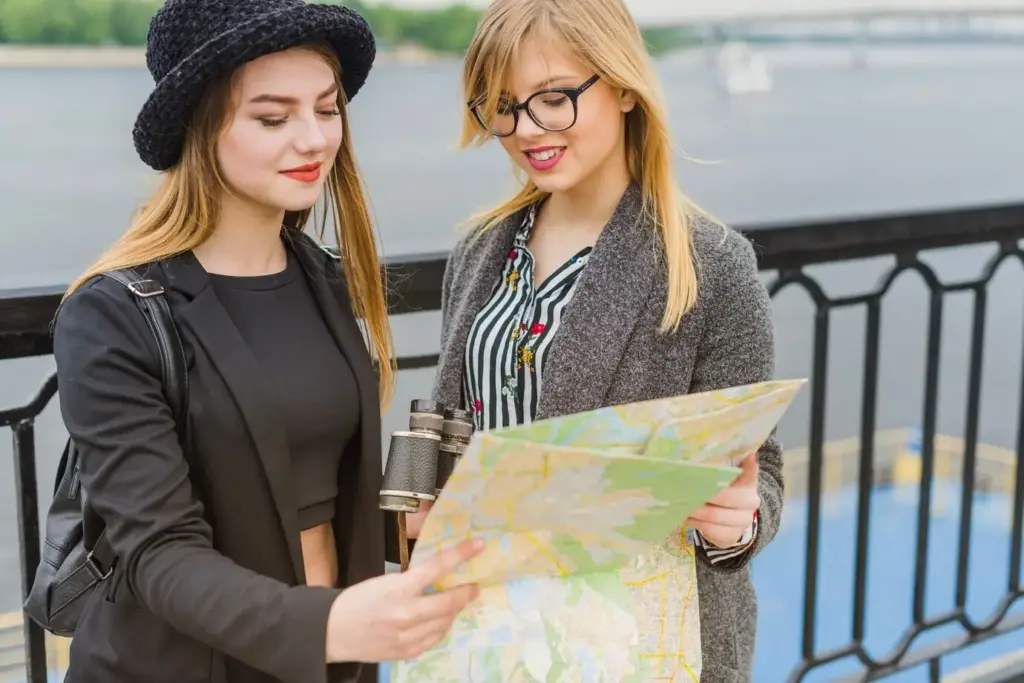
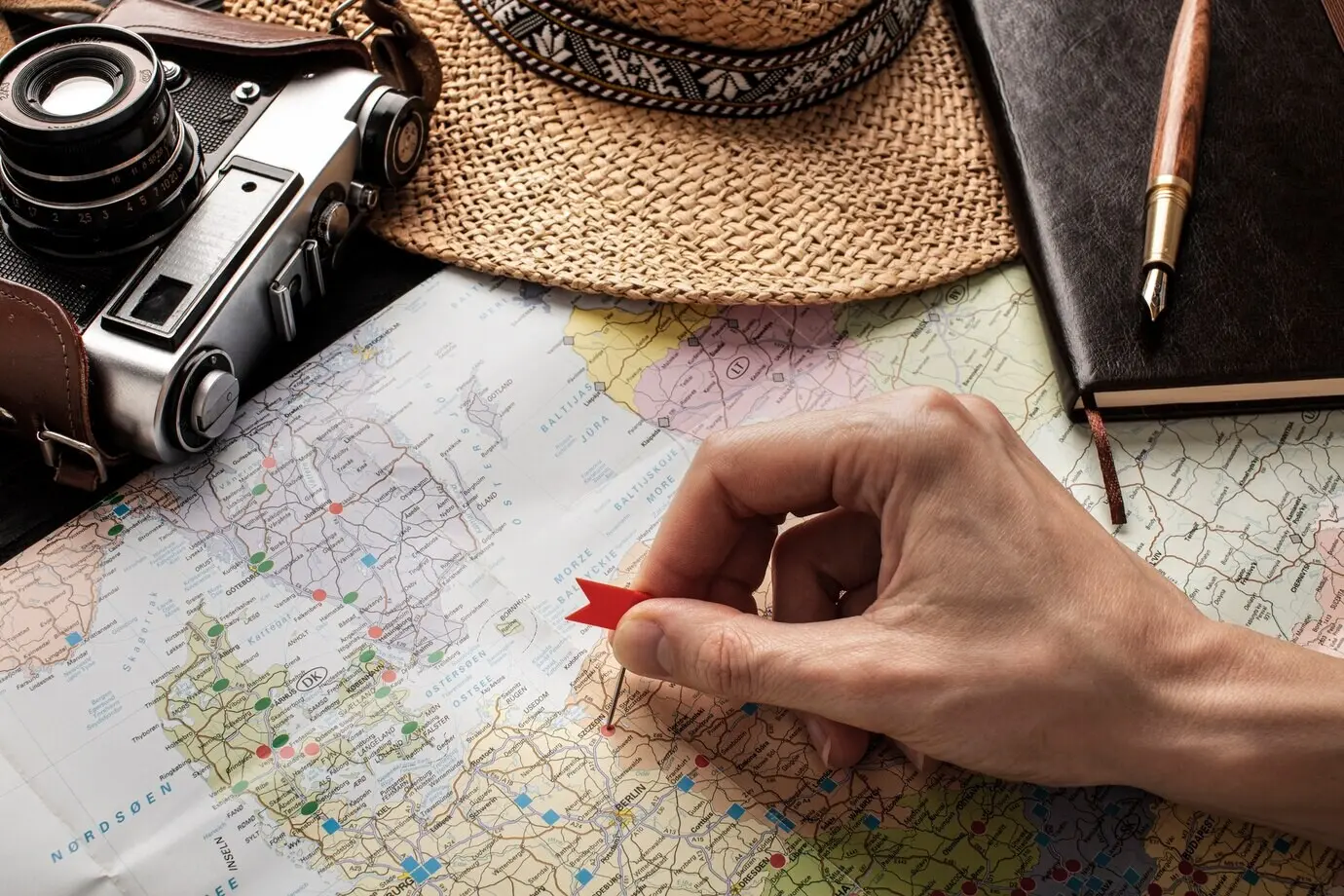
Great clues demand thinking, not guessing. Instead of naming the country, point toward biomes, languages, or industries: seek a coastal nation using Portuguese, exporting coffee, and bordering the Atlantic; or find an island state featuring coral reefs and a cyclone warning. Such prompts require triangulation, promoting retrieval, inference, and argumentation anchored by maps, atlases, and stamp details.
Differentiation Without Dilution
Offer tiered clues, from icon-based hints to multi-step reasoning sequences. Provide visual glossaries for scripts, scaffolds for English learners, and extension tasks for quick finishers who might map trade partners or date issues. Flexible grouping respects varied readiness while preserving intellectual rigor, ensuring every student learns deeply and contributes meaningfully to collective success during each spirited round.
Safety, Care, and Logistics
Smooth logistics protect materials and focus. Teach safe handling with tongs, use trays to prevent scattering, and store finds in labeled sleeves. Assign rotating roles—Searcher, Verifier, Recorder—to balance participation. Capture evidence with quick photos beside atlas pages, then reset efficiently. These routines reduce chaos, preserve collections, and maximize minutes spent reasoning rather than reorganizing piles.